

There’s this weird thing I’ve noticed with more and more frequency the past few years. Maybe I’m getting more questions due to the wild news that is constantly sprouting out of the US, because I’m older and people therefore think wiser, or I’m just paying more attention.
I’m expected to the be the expert on my home country, the US. I get asked the most specific questions and even if I say, “I’m not sure,” people look at me like I must not actually be an American.
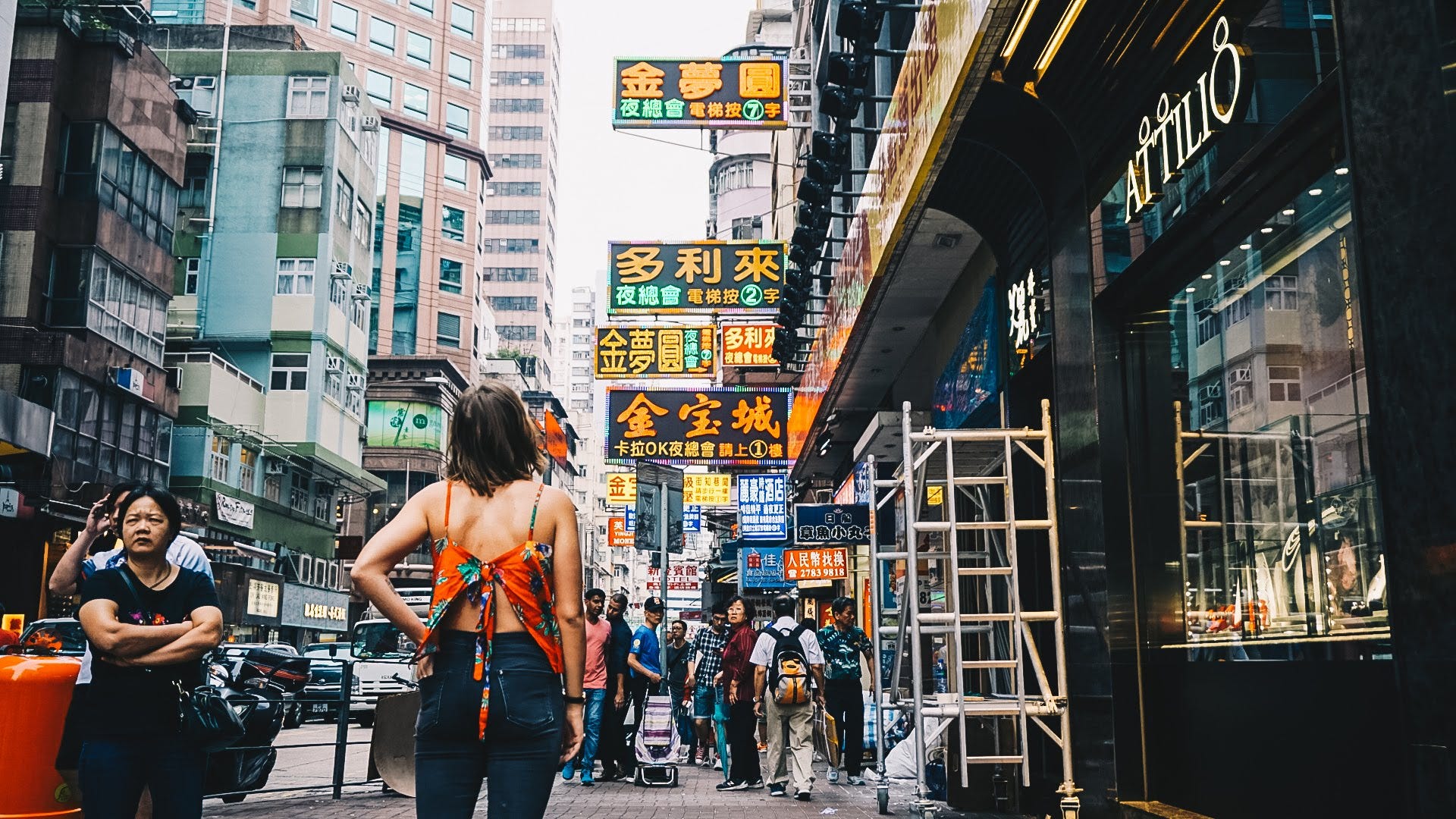
It’s not just me, I’ve seen the same thing happen with Raf as he’s asked to recount decades and decades of Colombian history.
The other day, the language teacher at the Italian school I go to asked me what school lunches are like in the US. I said I wasn’t sure but he pushed. I, in my broken Italian, explained that I haven’t been in a US school for about 20 years and even when I was a student myself my mom packed my lunch.
Still, the questions came.
Are they healthy? Probably not but I can’t say with confidence one way or another.
Are they balanced? How much do they cost? Is there a menu printed beforehand? Are their options for dietary restrictions? I literally do not know nor care.
This happens a lot now with politics and while I do enjoy digging into cultural aspects that make Americans the way Americans are and explaining details that most news sites don’t cover, I truly don’t know the name of most senators, their policies, or how much money they make.
I left that country to not think about those things.
On the flipside, people back home have expected me to know intricate details on the countries I’ve lived in. While I do know more than those that haven’t visited or have only popped in for a short vacation, I also don’t know everything.
I can make guesses, I can share my experiences, I can describe the delicious food, but I can’t tell you what healthcare is like for elderly, how the government works, and how much every little thing costs.
It’s a weird conundrum being caught between multiple countries: you become a master of none.
The longer I live outside of the US, the more that country becomes a mystery to me. I’ve been gone almost 1.5 decades. Things are likely different from when I last lived there and even then, I was never much of adult there since I left at age 22.
Yet, all the places I’ve called home since then have been 6 months, 1 year, 2 years of my life. Enough to feel at home but not nearly enough to understand all of the nuances.
I don’t feel like I really the country I’m from or the country I now call home. Personally, I enjoy the unknown and slowly unraveling these mysteries. It’s the people asking the questions that are more turned off by my ignorance.
Maybe it’s just me that feels this way but I do think it’s something you’ll want to have in your head if you’re moving abroad. You might just be the only person from X country this person has spoken to. You’re about to become the expert voice, whether you’re really that person or not. So think twice on what it is that you’d like to say.
xx,
Kat
I have been asked many times to weigh in by Greeks on why American houses are built of little pieces of wood and paper, instead of brick and steel and concrete like they are here. and I have no idea! I am a writer not a construction expert lol. so it’s a very real phenomenon for sure!
This definitely rings true! I think it comes down to people believing people more than they believe stats, big companies, etc. The anecdote from a personal connection is more powerful. I usually try to caveat any answer I give with my “expertise” level. So something like, “Canada is a huge country but in Vancouver I’ve personally experienced…”